Why Youth Matter in Preserving Indigenous Knowledge in Sri Lanka
In a small village in Sri Lanka’s dry zone, an elderly farmer still reads the sky to predict rainfall. Without modern tools, he decides when to plant and harvest based on patterns learned over decades. Yet today, fewer young people are there to learn from him.
This raises an urgent question: who will carry this knowledge forward when its custodians are no longer here?
Across Sri Lanka, traditional ways of living from wewa (tank) irrigation and paddy cultivation to Ayurveda and nature-based practices have sustained communities for generations. These are not just traditions; they are practical systems built through experience. Today, they continue to support sustainable agriculture and help communities adapt to environmental challenges. But as younger generations move away from village life, this knowledge is slowly fading.
And this is exactly were youth matter most.
Young people today can connect the past and the present. With access to education and digital tools, they can document practices, share stories, and make them relevant again. For example, the National Conference on Indigenous Knowledge Systems (NCIKS) at Gampaha Wickramarachchi University of Indigenous Medicine creates a platform for dialogue between traditional knowledge holders and contemporary scholars, encouraging young researchers to document and preserve indigenous knowledge. A simple video, a recorded conversation, or a small community project can keep knowledge alive in ways that fit today’s world.
But this becomes more meaningful when it is experienced directly.
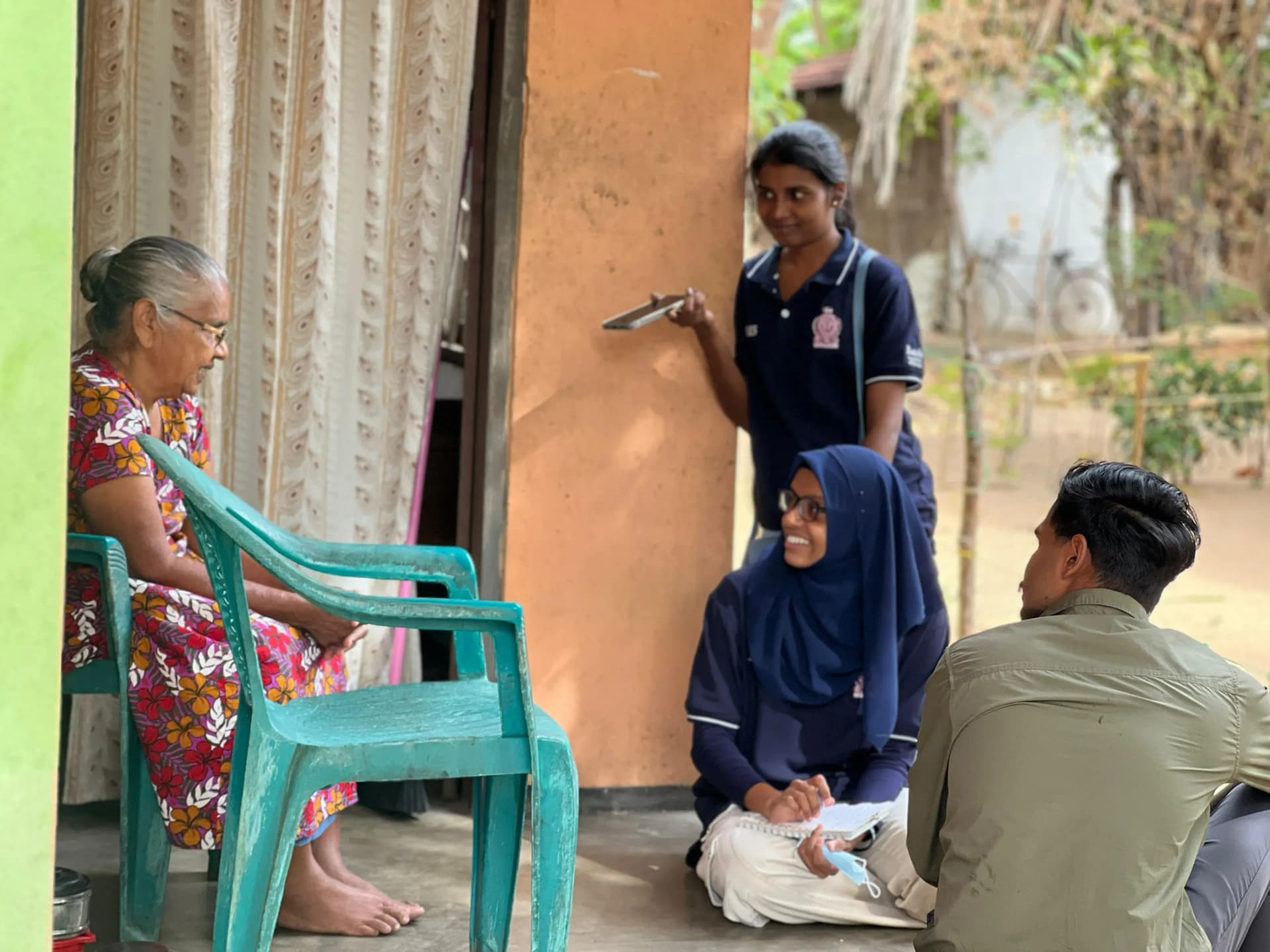
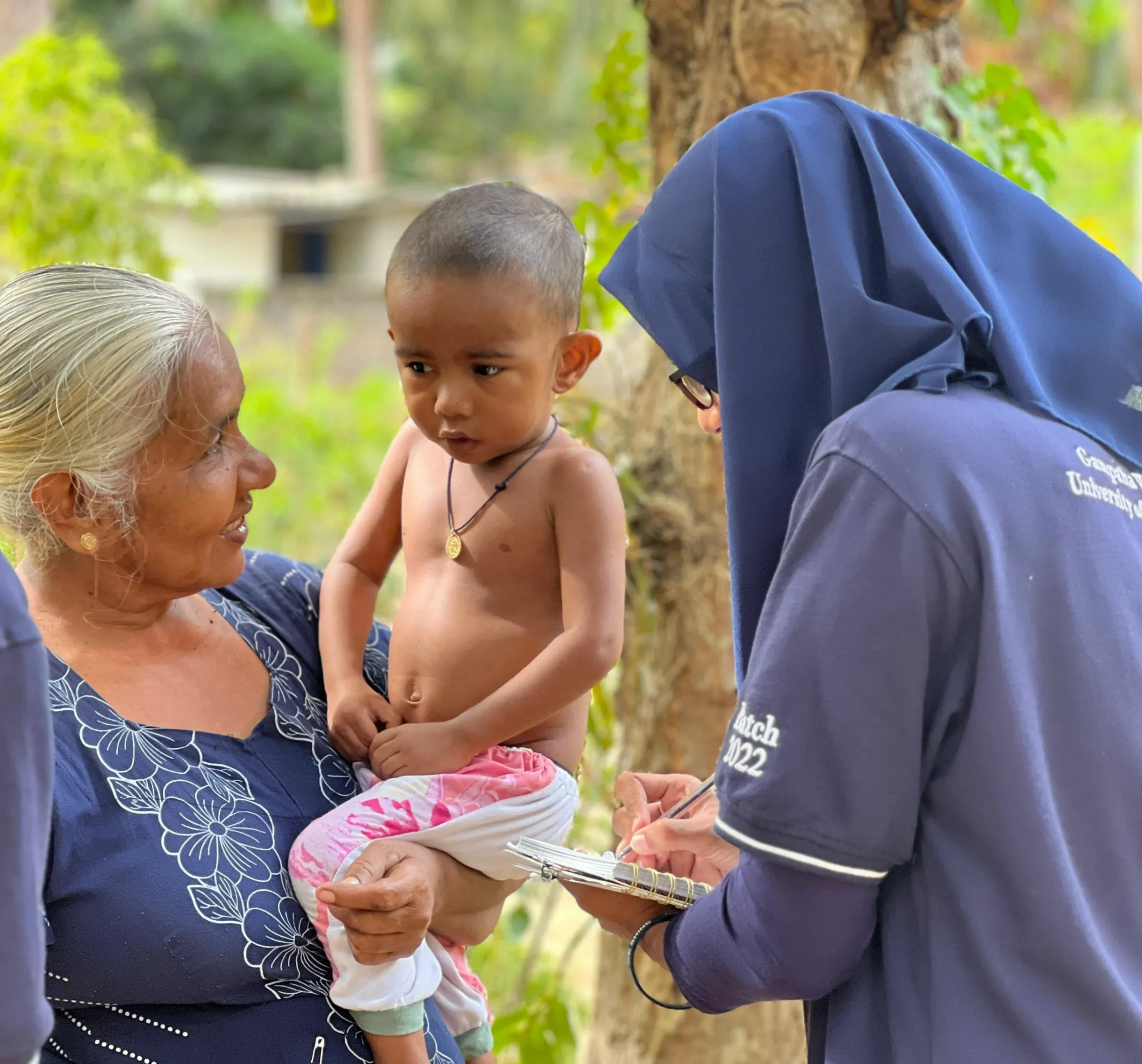
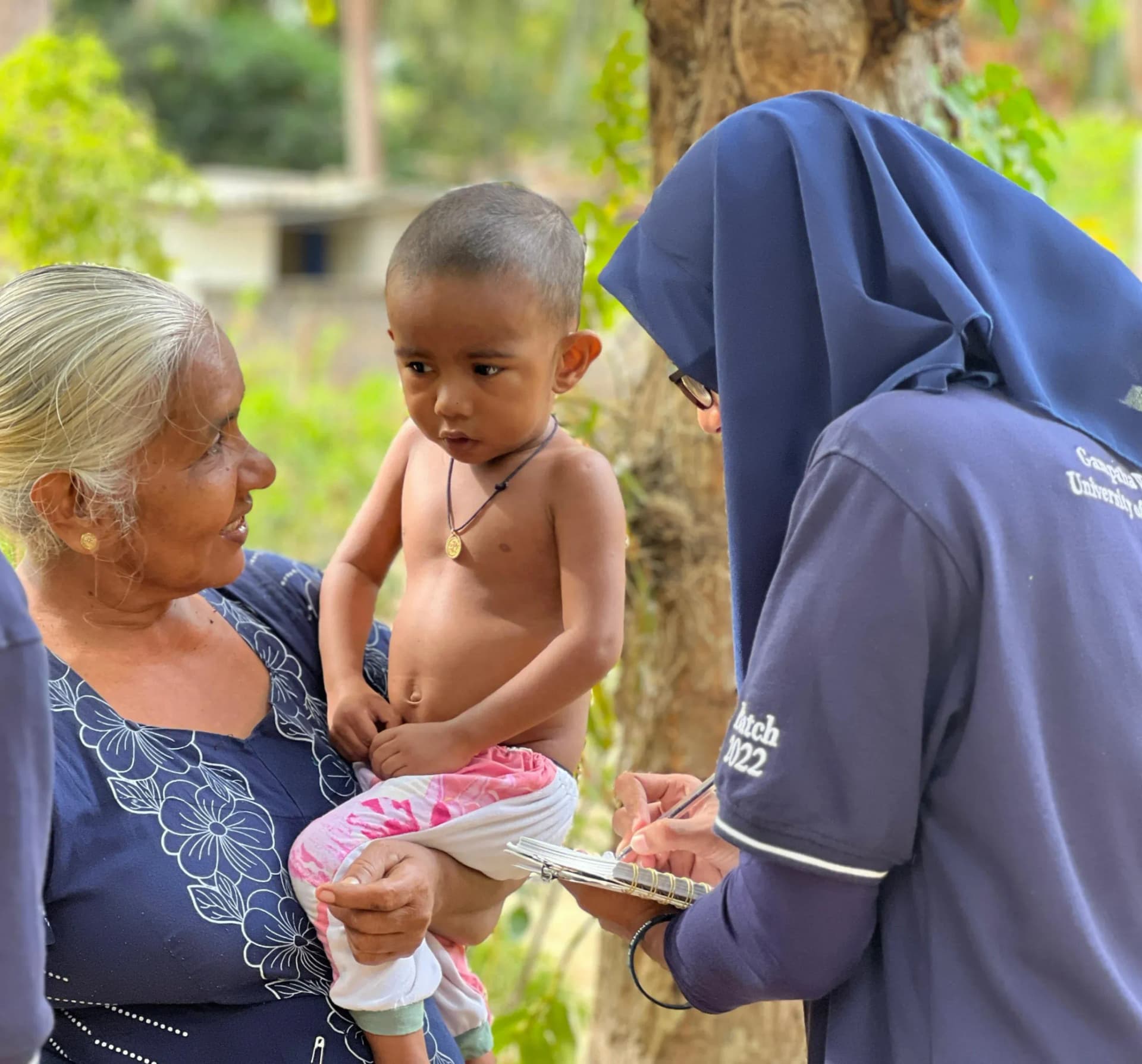
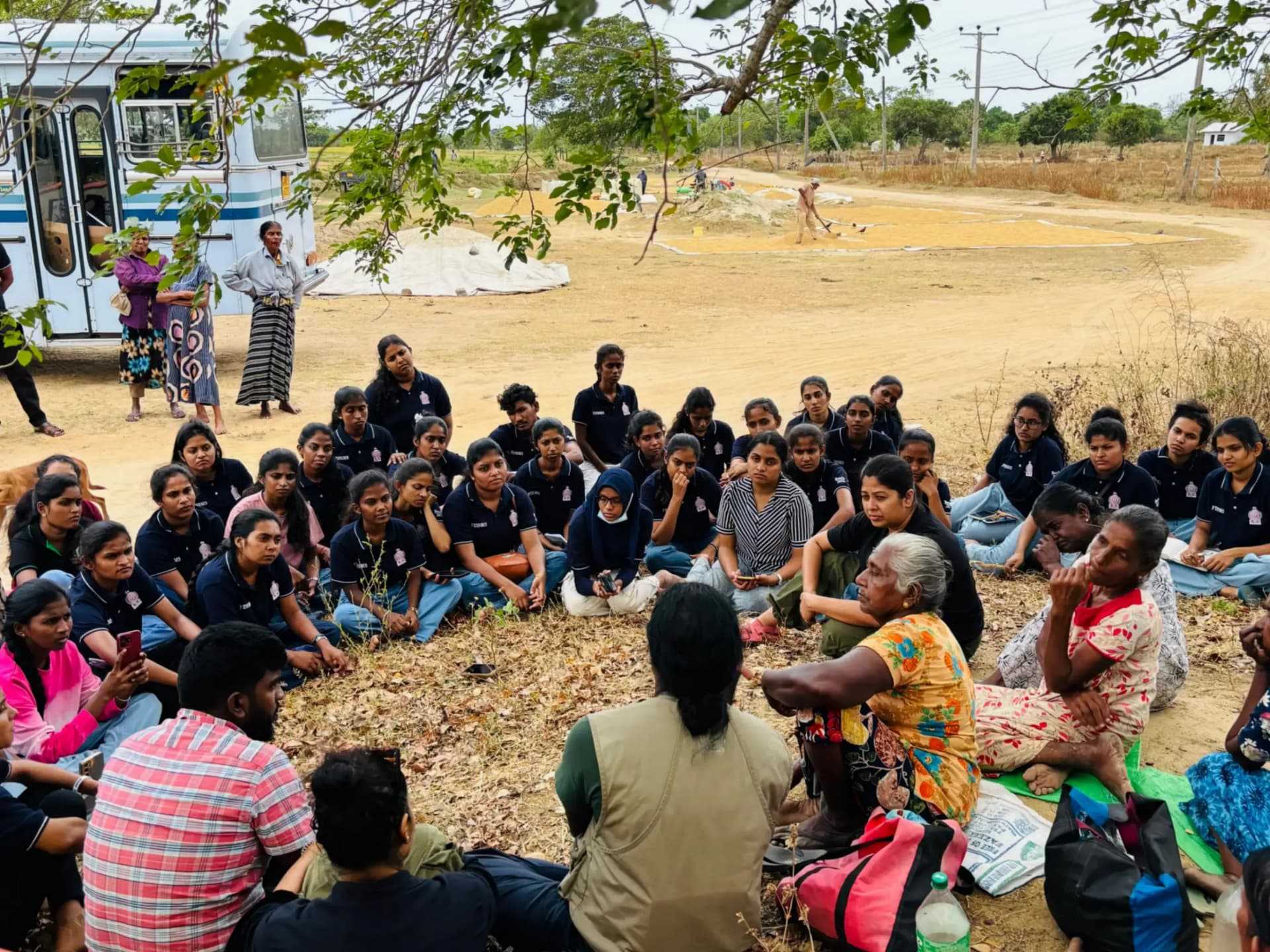
During a university field visit to Panama village, I saw this connection firsthand. For three days, we explored how the community lives closely with its environment, wetlands, lagoons, forests, and coastal areas, shaping everyday life.
One conversation stood out. A village elder explained how they decide the right time for chena cultivation by observing seasonal changes. He smiled and said,
“We don’t learn this from a book, we learn it from the land.”
That moment made something very clear: knowledge survives through sharing, not storing. We also spoke with several villagers who expressed concern that fewer young people are interested in continuing these practices. It wasn’t frustration it was a quiet uncertainty about the future.
At the same time, there are real challenges.
Many young people see traditional ways as outdated. There are fewer opportunities to learn directly from elders, and not enough platforms that encourage this exchange. More community programmes and learning opportunities are needed to support young people. Without support, even interested youth may not know where to begin. Still, small efforts can create real change.
Across Sri Lanka, youth-led initiatives are starting to document local practices, promote eco-friendly lifestyles, and reconnect communities. For example, the Young Environmentalists’ Network in Sri Lanka engages youth in environmental awareness and community-based conservation activities. When young people engage, they don’t just preserve knowledge, they give it new life. Traditional farming methods, for example, can inspire more environmentally friendly approaches today, while herbal practices continue to influence natural healthcare.
This is where organizations like the International Youth Alliance for Peace (IYAP) play an important role. Through programmes such as the Global Citizenship & Youth Diplomacy Program, IYAP provides young people with opportunities to develop leadership skills, engage in community-focused activities, and connect with global perspectives. In this way, preserving cultural knowledge also becomes a form of peacebuilding, strengthening trust, identity, and resilience within communities.
Global organizations such as UNESCO and the Food and Agriculture Organization recognize the value of these knowledge systems, especially in environmental conservation and sustainable livelihoods. UNESCO’s Convention for the Safeguarding of the Intangible Cultural Heritage (2003) highlights the importance of protecting traditional knowledge and practices passed through generations. But beyond reports, its true importance is best understood through lived experiences like those in Panama. Moving forward, the focus should be simple: create more opportunities for youth to engage. Field visits, community projects, and digital storytelling can all help bridge the gap between generations.
If Sri Lanka is to protect its rich cultural legacy while adapting to a changing world, it must invest in its youth today.
The question is no longer whether indigenous knowledge is valuable but whether the next generation is ready to carry it forward.
References
• UNESCO. (2017). Local and Indigenous Knowledge Systems (LINKS Programme).