Why Monitoring & Evaluation Matters for Every Youth Leader: From Passion to Impact
Arazbaeva Dilafruz
Estimated reading time: 7–8 minutes
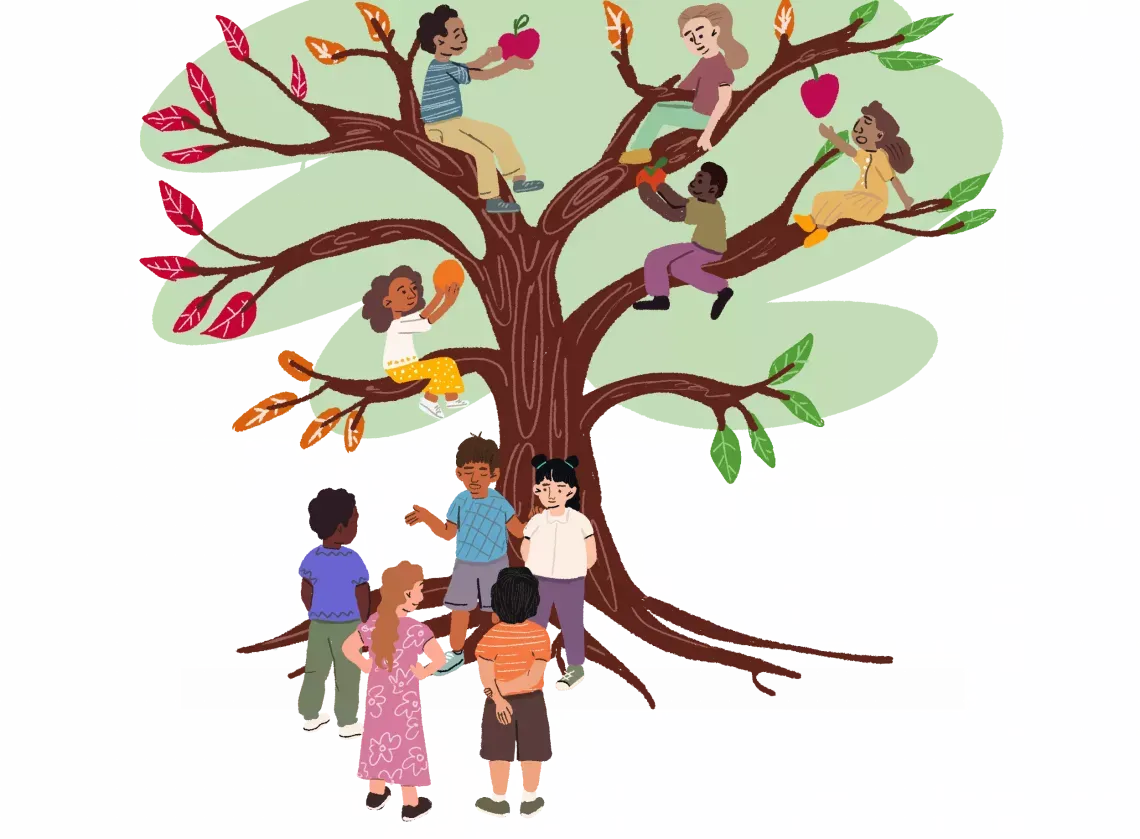
Young people play a vital role in creating positive change within their communities through leadership, collaboration, and innovation.

Photo Credit: UNICEF Youth-Led Action Initiative.
I used to think that completing a project meant success. Whether it was a university presentation, a volunteer activity, or a youth initiative, I believed that once the final task was finished, the work was done. We celebrated what we had accomplished and moved on to the next challenge. Looking back, I realized we rarely asked the question that mattered most:
Did we actually create the change we hoped for?
Every day, young people around the world launch campaigns, organize workshops, and lead community projects. Completing these activities is an important achievement, but it is only part of the journey. Without taking time to reflect on the results, it can be difficult to understand what worked, what could be improved, and how future projects can create even greater impact.
The answer often lies in a process that many young people have never heard of: Monitoring and Evaluation (M&E) the practice of tracking progress, assessing results, and learning from evidence. While it may sound like a technical term used only by researchers or international organizations, its purpose is surprisingly simple: to understand whether our efforts are creating meaningful and lasting change.
As youth-led initiatives continue to grow around the world, passion and commitment remain their greatest strengths. Many youth organizations, including the International Youth Alliance for Peace (IYAP), encourage young people to lead projects that promote peace, education, and sustainable development. However, organizing activities is only the first step. Understanding their impact, learning from challenges, and applying those lessons to future initiatives are what transform good projects into lasting change.
As someone who is still learning Monitoring and Evaluation through my university studies and internship experience, I have realized that M&E is not only a professional skill; it is a mindset that every young leader can benefit from. In this blog, I want to share why I believe understanding Monitoring and Evaluation can help young people turn passion into measurable impact.
Why Monitoring and Evaluation Matters
Monitoring and Evaluation (M&E) is often misunderstood as simply collecting data or writing reports after a project ends. In reality, it is a way of understanding whether a project achieved its intended outcomes, identifying what worked well, recognizing areas for improvement, and applying those lessons to strengthen future initiatives.
The UNESCO Global Education Monitoring (GEM) Report which tracks progress toward global education goals and highlights the importance of evidence-based decision-making, emphasizes that evidence and continuous learning are essential for improving the quality and effectiveness of programmes. Rather than measuring activities alone, Monitoring and Evaluation helps organizations make informed decisions, remain accountable to participants and donors, and continuously improve their work.
Monitoring and Evaluation helps organizations learn from evidence and continuously improve development programmes.
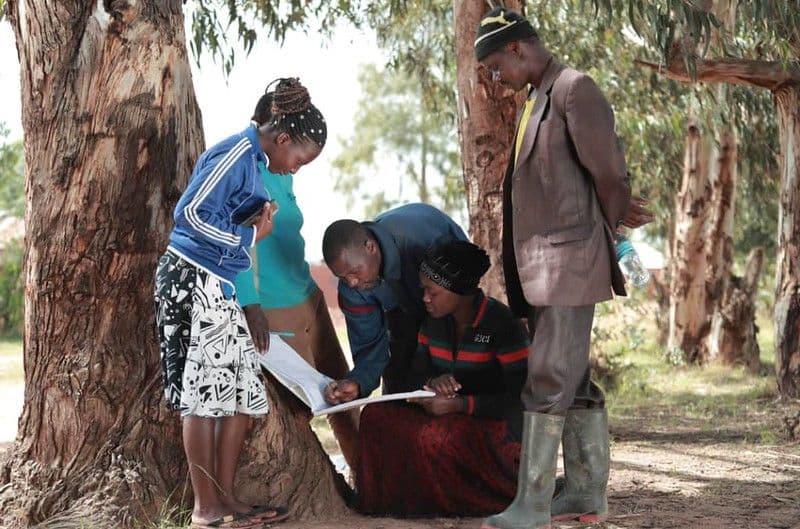
Photo Credit: International Institute for Environment and Development (IIED).
Before studying Monitoring and Evaluation, I also believed that success meant completing a project on time and achieving its planned activities. However, my perspective changed as I learned that finishing a project is only one part of the process. Equally important is asking questions such as: Why was this project successful? What challenges did we face? What could we improve next time?
This way of thinking extends beyond international development. Consider a group presentation at university. Many students focus on delivering the presentation, but some of the most valuable learning happens afterward through feedback from professors and classmates. Their perspectives often reveal strengths and areas for improvement that the team may not have recognized on its own.
Youth-led projects are no different. Gathering feedback, reflecting on results, and learning from experience help transform a single successful project into many successful projects in the future. Monitoring and Evaluation makes that continuous learning possible.
Why Every Young Leader Should Care
Many young people associate Monitoring and Evaluation with international organizations, government agencies, or professional evaluators. However, its principles are useful in almost every setting where young people take initiative. Whether organizing a university event, leading a volunteer campaign, managing a student club, or participating in a youth-led project, understanding how to monitor progress and evaluate results helps transform good ideas into meaningful impact.
According to UNICEF, young people are not only beneficiaries of development but also "agents of change" who play an active role in shaping more inclusive and sustainable communities. As youth continue to take on leadership roles, they also need practical skills that help them understand whether their actions are making a real difference. Monitoring and Evaluation provides exactly that by encouraging reflection, evidence-based decision-making, and continuous learning.
Learning from Global Youth Programmes
Youth Co:Lab empowers young entrepreneurs across Asia and the Pacific through innovation, learning, and evidence-based programme improvement.
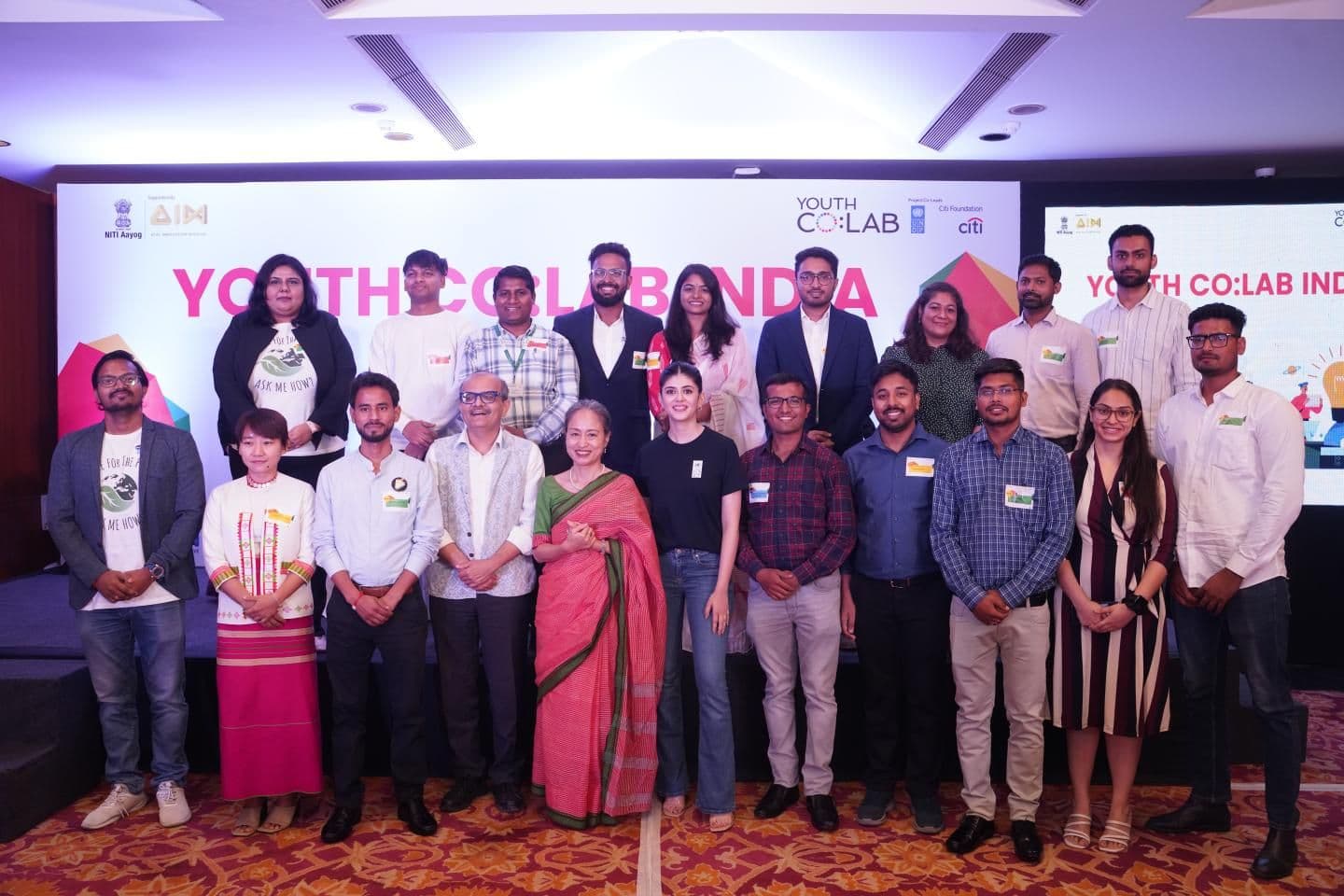
Photo Credit: Youth Co:Lab.
A real example of this approach is UNDP's Youth Co:Lab, a regional initiative launched in 2017 to support young entrepreneurs across Asia and the Pacific. Rather than measuring success only by the number of workshops or participants, the programme continuously monitors progress and evaluates how young people apply the skills they have gained to create positive change in their communities.
The lessons learned have been used to improve training programmes, strengthen partnerships, and even support the adoption of entrepreneurship training materials by Indonesia's Ministry of Youth and Sports. This demonstrates that Monitoring and Evaluation is not simply about collecting data; it is about using evidence to improve programmes and create lasting impact.
This is also reflected in OECD research, which highlights the growing importance of skills such as critical thinking, problem-solving, collaboration, and informed decision-making. Monitoring and Evaluation strengthens these competencies by teaching young leaders to ask better questions, analyze evidence, and adapt their approaches instead of relying only on assumptions.
What I Learned Through My Internship
During my internship at IYAP, I have already begun to see how Monitoring and Evaluation is applied in everyday practice. At first, I assumed that weekly reports, participant reflections, and regular progress updates were simply administrative requirements. However, I soon realized that these tools serve a much greater purpose. Weekly reflections encourage interns to think critically about what they have learned, while regular reporting helps coordinators understand our progress, identify challenges early, and provide timely support when needed.
IYAP interns participating in a leadership reflection session.
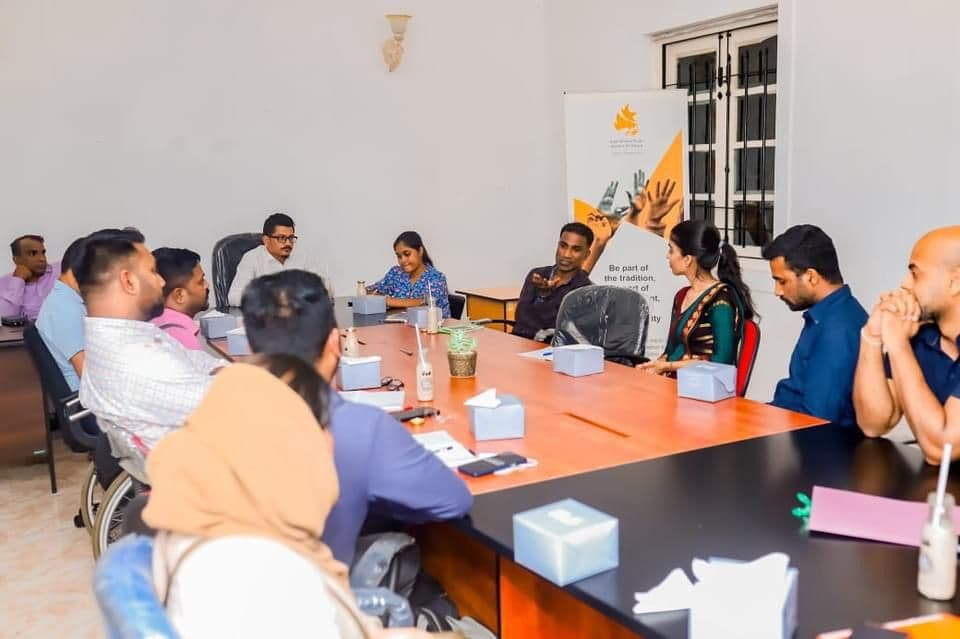
Photo Credit: International Youth Alliance for Peace (IYAP).
One responsibility I recently took on was collecting interns' weekly reflection reports before our Leadership Reflection Session. While reviewing them, I realized they contained much more than lists of completed tasks. They revealed what interns had learned, the challenges they faced, and the support they needed, showing me, how regular reflection can strengthen communication, identify common challenges, and support continuous programme improvement.
Reflection Creates Better Leaders
Writing my own weekly reflections also changed the way I approach learning. Instead of simply moving on to the next task, I began taking time to reflect on what I had accomplished, the challenges I encountered, and how I could improve. This simple habit made me realize that even a short weekly reflection can contribute to meaningful improvements over time. I believe youth-led projects can benefit from the same approach. Rather than waiting until a project ends, regularly reflecting on achievements, challenges, and lessons learned allows teams to adapt, improve, and create greater impact throughout the project, not just after it.
This experience has shown me that Monitoring and Evaluation is not about creating more paperwork, it is about creating opportunities for continuous learning, better decision-making, and lasting improvement.
Why Monitoring & Evaluation Matters More Than Ever
As communities face increasingly complex challenges from climate change and humanitarian crises to inequality and barriers to education organizations must ensure their efforts create meaningful results. Youth-led organizations are responding with innovative ideas and community-driven solutions. However, when resources, time, and funding are limited, it becomes even more important to understand which approaches are truly making a difference.
A recent example is the growing impact of climate change on communities around the world. From education disruptions caused by extreme weather to environmental changes affecting livelihoods and public safety, these challenges require more than good intentions they require evidence-based action. Monitoring and Evaluation helps organizations measure whether climate adaptation initiatives are achieving their intended outcomes, such as strengthening community resilience, improving preparedness, or reducing vulnerability to climate-related risks. The evidence collected enables organizations to refine their strategies, allocate resources more effectively, and improve future interventions.
Monitoring & Evaluation in Peacebuilding
This principle is equally important in peacebuilding. Organizing dialogue sessions, youth exchanges, or community engagement activities is an important first step, but meaningful impact goes beyond the number of participants or events held. Monitoring and Evaluation helps organizations understand whether these initiatives are strengthening trust, encouraging meaningful dialogue, increasing civic engagement, and contributing to more inclusive and peaceful communities. By collecting feedback, measuring outcomes, and learning from participants' experiences, organizations can continuously improve their programmes and maximize their long-term impact.
This is why institutions such as the World Bank place strong emphasis on results measurement and evidence-based decision-making in development programmes. Measuring progress is not simply about proving success; it is about learning continuously, using resources effectively, and ensuring that programmes create meaningful and lasting impact.
A Leadership Mindset
As I continue my journey in Monitoring and Evaluation, I have come to realize that it extends far beyond international organizations or development projects. It has changed the way I see leadership itself.
Before studying this field, I believed that being a good leader meant organizing activities, completing projects, and achieving planned objectives.
Today, I understand that leadership also means taking time to reflect, listening to feedback, learning from both successes and challenges, and being willing to adapt. Monitoring and Evaluation has taught me that asking not only "What did we do?" but also "What changed because of what we did?" may be one of the most valuable habits a young leader can develop. For me, it is no longer just a technical process, it is a mindset that encourages accountability, continuous learning, and meaningful impact.
Five Questions Every Youth Leader Should Ask After Every Project
Before moving on to your next initiative, take a few minutes to reflect.
1. What changed because of this project?
Did we achieve the outcomes we hoped for, or did we simply complete the planned activities?
2. Who benefited most, and who may have been left out?
Did our project reach the people it was intended to support?
3. What challenges did we encounter?
What obstacles affected the project, and how did we respond to them?
4. What would we do differently next time?
Which lessons can help us improve future projects?
5. How will we apply what we learned?
How can these lessons help us design more effective and sustainable initiatives in the future?
Conclusion
When I first began learning about Monitoring and Evaluation, I thought it was mainly about reports, indicators, and data collection. Today, I see it as something much more meaningful: a mindset of asking better questions, learning from evidence, and continuously improving the way we create change.
As young people, our passion inspires action, but lasting impact comes from understanding the difference our actions make. Whether you are leading a student initiative, volunteering in your community, or contributing to an international organization like the International Youth Alliance for Peace (IYAP), developing a Monitoring and Evaluation mindset can help turn good intentions into meaningful and sustainable results.
The next time you complete a project, don't stop at celebrating what you accomplished. Ask yourself one more question:
What changed because of what we did?
That simple question may be the first step toward becoming not only a more effective project leader, but also a more thoughtful changemaker. After all, every project deserves not only passion, but also reflection, learning, and accountability.
About the Author:
Arazbaeva Dilafruz Dilmurodovna is an International Studies student at Jeonbuk National University in the Republic of Korea and currently serves as a Monitoring & Evaluation Intern with the International Youth Alliance for Peace (IYAP). She is passionate about international development, Monitoring & Evaluation, and strengthening youth-led initiatives through evidence-based learning, reflection, and continuous improvement.
References
United Nations
UNESCO. New UNESCO Report Reveals a Gap in Youth Participation in Education Decision-Making. UNESCO, accessed 14 July 2026.
https://www.unesco.org/en/articles/new-unesco-report-reveals-gap-youth-participation-education-decision-making
UNESCO. Global Education Monitoring (GEM) Report 2026. UNESCO, accessed 14 July 2026.
https://unesdoc.unesco.org/ark:/48223/pf0000397618
UNICEF. Guidance Note: Adolescent Participation in UNICEF Monitoring and Evaluation. UNICEF, accessed 14 July 2026.
https://www.unicef.org/evaluation/documents/unicef-guidance-note-adolescent-participation-unicef-monitoring-and-evaluation
International Organizations
Organisation for Economic Co-operation and Development (OECD). OECD DAC Evaluation Criteria. OECD, accessed 14 July 2026.
https://www.oecd.org/en/topics/sub-issues/development-co-operation-evaluation-and-effectiveness/evaluation-criteria.html
World Bank Independent Evaluation Group. Engaging Citizens for Better Development Results. World Bank, accessed 14 July 2026.
https://ieg.worldbankgroup.org/evaluations/engaging-citizens-better-development-results
International Youth Alliance for Peace (IYAP). About Us. IYAP, accessed 14 July 2026.
https://www.iyap.global/about-us
Image Credits
Hero Image
UNICEF Youth-Led Action Initiative. Young people participating in community leadership activities.
Image 2
International Institute for Environment and Development (IIED). Monitoring and Evaluation supports evidence-based learning and programme improvement.
Image 3
UNDP Youth Co:Lab. Young entrepreneurs participating in innovation and entrepreneurship activities across Asia and the Pacific.
Image 4
International Youth Alliance for Peace (IYAP). IYAP interns participating in a leadership reflection session