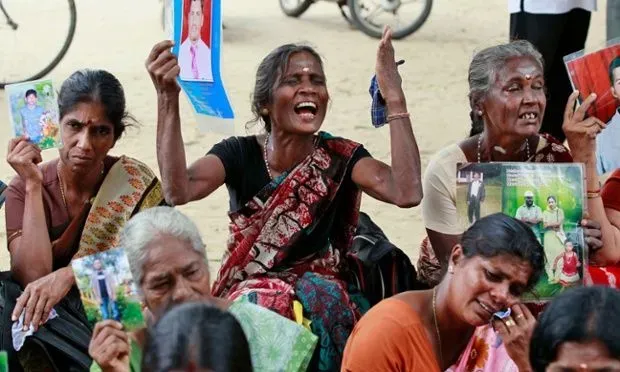
Sri Lanka has been in a complex process of reconciliation after the civil war which lasted for more than two decades ended in 2009. The war in Sri Lanka, which was waged between Government forces and the Liberation Tigers of Tamil Eelam, has left serious social wounds on the island. Although efforts towards physical reconstruction appear to have been vigorous, that of restoring social fabric is still a process in progress. Lying at the core of this challenge is the media which indeed plays a very influential role in shaping the post-war narrative.
Media During the Civil War: A Polarized Landscape
Market forces highly politicized during the civil war means that Sri Lankan media was highly polarized along ethnic and political lines. State-owned media aligned very much with what the government said and represented the conflict as a fight against terrorism. Some private TV channels and newspapers targeted the Tamil-speaking audience and offered reporting highlighting the violations of the rights of the Tamil people. It presented ethnic and political divisions in society that made it almost impractical to look forward to conditions leading to reconciliation.
The split in the narrative was demonstrated as dramatic depending on whether the media source is pro-LTTE or anti-LTTE. The conflicts were presented as good against evil with no inclination towards the motives of the war and the causes that led to them. By the end of the war in 2009, the media had normalized the two-sided approach, and it became rather difficult to move towards the post-war reconciliation discourse.
Post-War Reconciliation and the Role of Media
At the end of the war, Sri Lanka entered a process of nation rebuilding and one of the most important components of these efforts was reconciliation. The roles played by the media in the construction of peace and justice in the post-war situation since then became vital. However, the potential of the media to impact positively on reconciliation has not been made use of; something that depicts the continuing dilemmas of media operation in an ethnically polarized nation.
The problem of censorship and self-censorship has been one of the biggest concerns in the media landscape after the end of the war. Those who attempted to document stories about human rights violations, war crimes, and the hundreds of thousands of Tamil people that went missing during the war were threatened or murdered. This led to a situation where media agencies especially those that have followed the government negatively were compromised in their ability to embrace the truth-telling process that is vital in ensuring reconciliation.
However, to some extent several media organizations, individual journalists and writers have attempted to practice reconciliation in their operations. Thus, together with presenting informative overviews of war activities, these journalists have helped the public learn about the human cost of the war by sharing the experiences of war survivors, refugees, and victims of violence. They have brought forward the need for justice and accountability, which are always critical factors for any sustainable reconciliation process.
Furthermore, civil society activists, organizations, and independent media have had a significant impact in promoting transitional justice. For example, investigative journalism has unveiled gross human rights abuses and war crimes and brought the debate on the perpetrators' accountability on national and international platforms. These narratives destabilize the hegemonic viewpoints and amplify the untold stories of the people and that is why we need it for Sri Lanka to move towards a better future.
Challenges in a Fragmented Society
The media can play a major role in reconciliation, but it has plenty of obstacles in a society that is still divided. Ethnic divisions, political partnerships, and weak faith in official organizations remain to be ever a problem to the disenfranchising role of the media as it has not been able to play a balance by cutting across these barriers. Unfortunately, even today many media outlets remain ethno-politically or politically partisan, thus continuing to maintain the very splits that the reconciliation processes are designed to eliminate.
Misinformation and disinformation are two more hazards to peacebuilders in the digital age. In particular, social networks today are filled with invective and calls for retaliation by political opponents, as well as radical organizations. Lacking sufficient supervision and viewership of media content, communication can worsen ethnic enmity and hinder the path to reconciliation in a country.
The rise of social media has also created new opportunities for civic engagement and citizen journalism. Thereby, due to the fast propagation of unverifiable information, and the expansion of echo chambers, misinformation and deception are more common.
Toward a More Responsible Media
However, there are some possibilities for the media's positive contribution to the process of reconciliation in Sri Lanka. It is for this reason that there is a need to provide incentives and assistance to independent journalism and media outlets, foster media pluralism, and ensure that responsible journalism is encouraged.
Media sensitization courses give the reporter skills to write on contentious issues in a way that does not create tension. Such programs can assist journalists in moving away from coverage fits of gory details and ethnic stereotyping, to stories of reconciliation, tolerance, and justice.
In addition, civil society organizations and partners can significantly enhance the prospects of media that promote reconciliation. By offering necessary tools, professional development, and spaces where people can engage in conversation, these organizations can transform the media, so it inspires more trust and inclusion.
They also need to have the capability to question knowledge as received through mass media. Through critical thinking and media awareness, the needed programs may assist the public in going past this polarized process of information dissemination. This then can help lessen the effects of fake news and other polarizing information.
In Sri Lanka, for example, the Groundviews platform has been vital in advancing independent journalism and stimulating public debate on important topics. By means of citizen journalism, investigative reporting, and cooperative initiatives, Groundviews has given a platform to a range of viewpoints and helped create a more knowledgeable and involved populace.
Additionally, it is essential to learn from global best practices. Programs like the Knight International Journalism Fellowships offered by the International Center for Journalists (ICFJ) can give journalists in post-conflict environments important training and resources, giving them the know-how to cover delicate subjects in an ethical and responsible manner.
Conclusion
The media in post-war Sri Lanka can either thus maintain or erase the gap compounded by the war. Although the special relationship between authoritative approaches to media reporting and native dichotomy as well as the existing issues, including censorship and misinformation, hinder media’s participation in reconciliation; there are shifts toward the formation of more responsible media. Therefore, the media by encouraging independent journalism, media literacy, and conflict-sensitive journalism reporting can indeed play a major part in constructing peace and in building a more progressive society for Sri Lanka. Long-term dedication by governments, media outlets, civil society, and the international community is necessary to maintain these initiatives. This entails funding media literacy initiatives, endorsing independent media, and encouraging a discourse and understanding culture in Sri Lankan society.
References
Perera, V. (2022). Narrating Civil Conflict in Post-war Sri Lanka: Counter Memory, Working-through and Implications for North-South Solidarity. State Crime Journal. 11 (2). https://doi.org/10.13169/statecrime.11.2.0172.
Hattotuwa, S. (2003). Media and Conflict in Sri Lanka. Media Asia. 30 (3). 169–176. https://doi.org/10.1080/01296612.2003.11726719.
H.R.C. Kumara. (2015). The Role of Media in the Reconciliation Process in the Context of Post War Sri Lanka.
Weerasinghe, P. (2023). Press News Narratives: Covering the Final Phase of the War in Sri Lanka. Athens Journal of Mass Media and Communications. 9 (2). 131–144. https://doi.org/10.30958/ajmmc.9-2-4.
Young, C. M. (1991). The Role of the Media in International Conflict.