Respect for Human Rights
“To deny people their human rights is to challenge their very humanity.” – Nelson Mandela
A Vision of Human Dignity
Imagine a world where every human being is treated with dignity, fairness, and equality. A world where people can express their thoughts freely and pursue their dreams without fear and live without discrimination or oppression. This ideal vision forms the foundation of a peaceful and just society. But is it merely a dream—or a right we must all fight to realize?
Why Human Right Matter
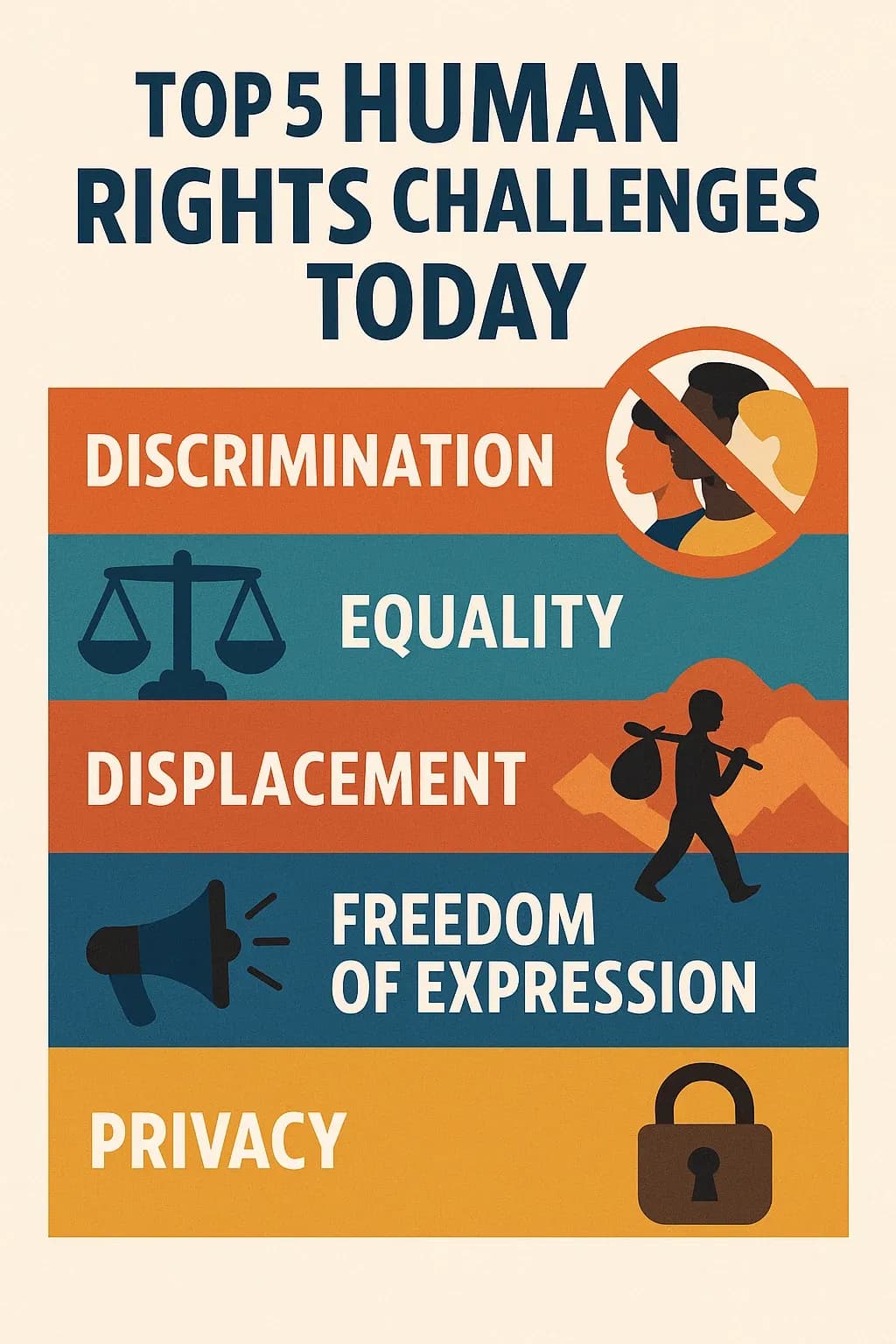
Humanity has struggled for centuries to achieve justice and equality. From fighting discrimination based on skin color, gender, race, language, and education to demanding fair treatment regardless of income, nationality, or borders —the struggle continues. Even today, millions face violations of basic rights: political persecution, lack of education, workplace discrimination, and much more. The United Nations defines human rights as “rights inherent to all human beings, regardless of race, sex, nationality, ethnicity, language, religion, or any other status (United Nations).” These include the rights to life and liberty, freedom from slavery and torture, freedom of opinion and expression, the right to work and receive an education, and many others. Respecting these rights is not optional—it is essential for dignity and equality.
Understanding Violations: Real-World Examples
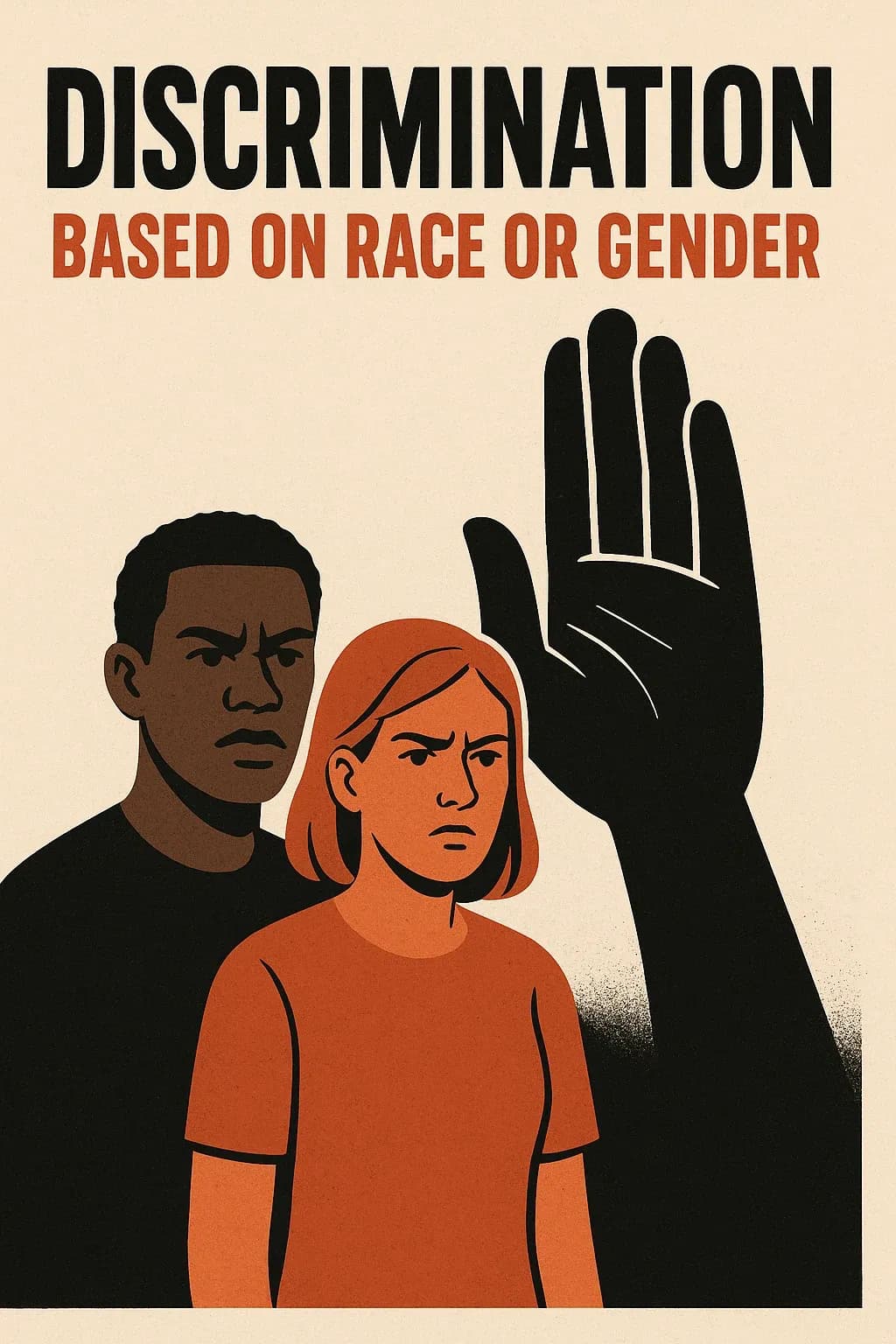
To respect human rights means ensuring that every person receives fair and humane treatment. When these rights are violated, individuals are stripped of their dignity. Some of the gravest violations include genocide, torture, slavery, forced sterilization or medical experimentation, and starvation. Genocide: The United Nations Convention on the Prevention and Punishment of the Crime of Genocide defines “genocide as acts committed with the intent to destroy, in whole or in part, a national, ethnic, or religious group. The recent event of Israel conducting airstrikes in Gaza and over 400 Palestinian deaths, including women and children, raised serious concern regarding human rights violations and allegations of genocidal acts.
Torture and Slavery: Modern-day human trafficking and forced labor are contemporary forms of slavery. Nazis forcibly sterilized 400,000 people under the “Law for the Prevention of Hereditarily Diseased Offspring,” targeting individuals and ethnic minorities in the world war. These are some real-world examples of extreme discrimination against humankind caused by humankind.
Promoting Awareness and Education
The path to justice begins with education. People must be made aware of their rights and responsibilities—not just through formal schooling but also through community efforts, government campaigns, social media, and public discourse.
Education can help people recognize and stand against injustices. It can empower communities to demand equal treatment, reduce discrimination, and hold authorities accountable.
Legal Protections and Humans Institutions
Strong legal systems are crucial for protecting rights. In Sri Lanka, the Human Rights Commission of Sri Lanka (HRCSL) was established in 1997 under Act No. 21 of 1996. The functions of the Commission are to promote and monitor protection of fundamental rights guaranteed by the Constitution and ensure the compliance by the Sri Lankan State of international human rights standards. It investigates complaints, ensures adherence to international human rights, and monitors conditions in detention centers.
In addition, international bodies like the United Nations, UNESCO, UNICEF, and WHO work globally to protect human rights across all demographics—from children and minorities to refugees and people with disabilities.
How individuals and Communities can contribute
Along with governments, individuals and communities can also ensure the protection of human rights. You can
- Support local and International organizations like Home for Human Rights, Equal Ground, the North East Secretariat on Human Rights, Human rights organization Lanka, All Ceylon Human Rights Federation
- Volunteer or donate to human rights campaign
- Raise your voice on social media and advocate for policy change
- Stay informed and educate others about rights and freedoms
When ordinary people take action, extraordinary change becomes possible.
Conclusion
Respecting human rights means upholding dignity, fairness, and justice—not just in principle, but in practice. The world still grapples with grave violations, from genocides and torture to censorship and systemic discrimination. Addressing these issues requires global awareness, education, and firm action.
Whether you’re a policymaker, student, activist, or simply a concerned citizen—you have a role to play. Enforcing protective laws, promoting justice, and supporting vulnerable communities are responsibilities we all share. Only through collective effort can we build a world where every person lives free, safe, and equal—with their rights respected, protected, and fulfilled.
References
UnitedNation. (n.d.). Peace, dignity and equality